

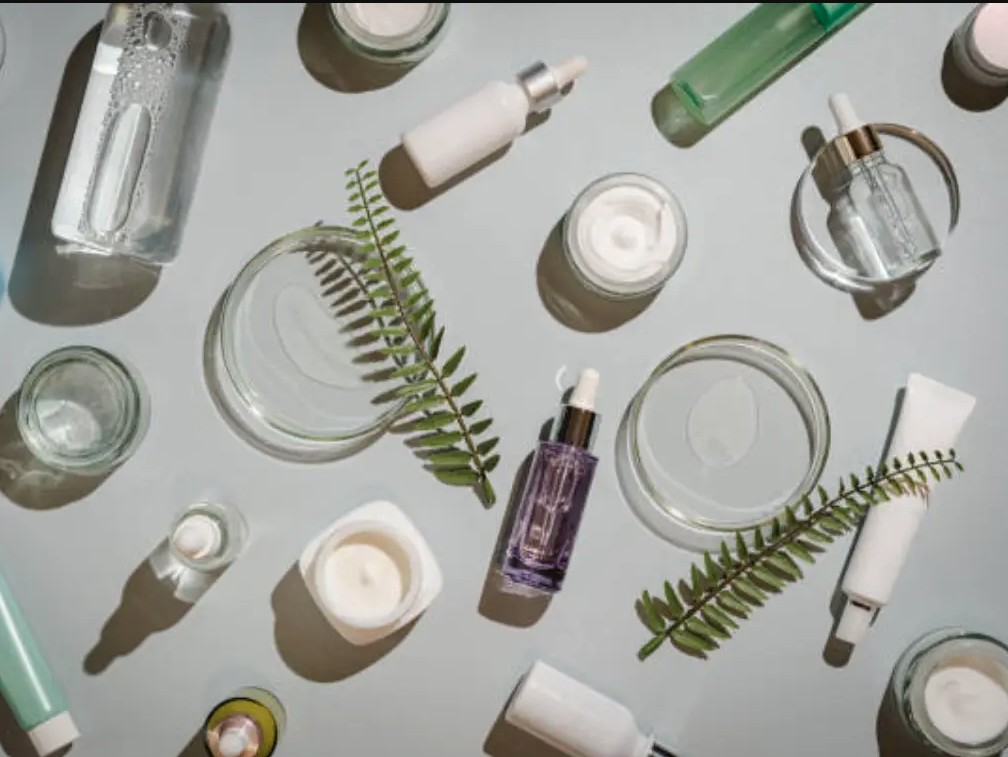
Ever picked up a skincare product because it looked luxurious—only to realize weeks later it didn’t do much for your skin?
You’re not alone. In 2026, the skincare market is more crowded than ever. Shelves are filled with sleek bottles, pastel labels, and bold claims that promise glowing, flawless skin overnight. But here’s the truth: great packaging doesn’t always mean great results.
With trends like skin barrier repair, ingredient transparency, and minimalist routines gaining attention across the U.S., shoppers are starting to ask smarter questions. What actually works? And what’s just clever branding?
If you’ve ever felt confused standing in the skincare aisle, this guide will help you cut through the noise. Let’s look at the real signs that tell you a product is worth your time—and your money.
1. Are the Ingredients Backed by Science or Just Buzzwords?
Let’s start with the foundation: ingredients.
A quality skincare product doesn’t rely on trendy names alone—it uses ingredients that are proven to work. In today’s skincare world, you’ll often see heavy hitters like niacinamide, ceramides, peptides, retinol, and vitamin C. These aren’t just popular—they’re backed by years of research.
But here’s where things get tricky.
Some products throw in trendy terms like “superfruit extract” or “herbal infusion” without explaining what they actually do. It sounds impressive, but does it improve your skin?
That’s the difference.
When you’re browsing options or looking to shop quality skincare products, take a closer look at the ingredient list. If the formula highlights proven actives and not just hype-driven additions, you’re likely holding something worthwhile.
2. Does the Product Show Transparent Ingredient Percentages?
Have you ever noticed how some brands proudly display ingredient percentages, while others stay vague?
That detail matters more than you might think.
Ingredients like vitamin C or salicylic acid only work effectively within certain concentration ranges. For example:
- Vitamin C typically works best between 10–20%
- Niacinamide shows results around 2–5%
If a product says “contains vitamin C” but doesn’t tell you how much, there’s a chance it’s included in a very small amount—too small to make a real difference.
Transparency builds trust. When brands clearly state percentages, it’s often a sign they’re confident in their formula.
3. Is the Brand Focused on Skin Barrier Health?
One of the biggest skincare shifts in recent years has been the focus on the skin barrier.
For a long time, people overused exfoliants and harsh treatments, thinking more intensity meant better results. But many ended up with irritated, sensitive skin instead.
Now, the focus has changed.
Quality skincare products support and protect your skin barrier. That means you’ll often find ingredients like:
- Ceramides
- Fatty acids
- Hyaluronic acid
These help your skin retain moisture and stay balanced.
If a product promises dramatic results but ignores barrier health, it might do more harm than good in the long run.
4. Does the Packaging Protect the Formula?
It’s easy to fall for beautiful packaging. A glass jar with a clean label can feel premium—but is it practical?
Here’s something many people don’t realize: packaging plays a big role in how well a product works.
Certain ingredients—like vitamin C and retinol—are sensitive to light and air. If they’re exposed too often, they break down and lose effectiveness.
That’s why high-quality products usually come in:
- Airless pumps
- Opaque bottles
- Tightly sealed containers
On the flip side, open jars may look appealing, but they expose the formula every time you use them.
So next time you’re shopping, don’t just judge how it looks on your shelf—think about how it protects what’s inside.
5. Are There Clinical Tests or Dermatologist Backing?
Let’s talk about claims.
You’ve probably seen phrases like “dermatologist-tested” or “clinically proven.” But not all claims are equal.
A quality skincare product often has some level of testing behind it—whether it’s clinical trials, lab testing, or professional evaluation.
But here’s the catch:
- “Dermatologist-tested” simply means it was tested on skin
- “Dermatologist-approved” suggests stronger credibility
The more transparent a brand is about its testing process, the more confidence you can have in its results.
6. Does the Product Avoid Overpromising Results?
If a product claims to erase wrinkles overnight or give you “perfect skin in 24 hours,” it’s time to pause.
Real skincare doesn’t work like magic—it works with consistency.
Quality products tend to set realistic expectations. Instead of promising instant transformation, they talk about:
- Gradual improvement
- Smoother texture over time
- Reduced appearance of fine lines
That kind of language might sound less exciting, but it’s far more trustworthy.
Think of skincare like going to the gym. You don’t see results in one day—but stick with it, and the changes show.
7. Is the Ingredient List Simple but Effective?
More ingredients don’t always mean better results.
In fact, one of the biggest trends right now is “skinimalism”—keeping routines simple and focused. Instead of layering ten different products, people are choosing formulas that do more with less.
Why does this matter?
Because overly complex formulas can:
- Increase the risk of irritation
- Make it harder to know what’s actually working
- Overwhelm sensitive skin
A quality product often features a clean, purposeful ingredient list. Every ingredient has a role, and nothing feels unnecessary.
Sometimes, less really is more.
8. Does It Match Your Skin Type and Needs?
Here’s a mistake many people make: buying what’s trending instead of what their skin actually needs.
A product can be high-quality—but still wrong for you.
For example:
- Oily skin benefits from lightweight, oil-controlling ingredients like niacinamide
- Dry skin needs richer formulas with ceramides and hydrating agents
- Sensitive skin thrives on gentle, fragrance-free options
The best skincare products are designed with specific skin types in mind. That means a good product should feel like it’s working with your skin—not against it.
So before you buy, ask yourself: Is this made for my skin—or just popular right now?
9. Are Reviews Focused on Results, Not Just Texture or Scent?
Customer reviews can tell you a lot—if you know what to look for.
When scanning reviews, pay attention to what people actually say. Are they talking about real improvements, or just how the product feels?
Helpful reviews often mention:
- Clearer skin after a few weeks
- Reduced breakouts
- Improved hydration
On the other hand, if most reviews say things like “smells amazing” or “feels nice,” but don’t mention results, that’s a red flag.
A great product doesn’t just feel good—it delivers visible changes over time.
10. Does the Brand Prioritize Formulation Over Aesthetics?
There’s a quiet shift happening in skincare right now.
More brands are moving away from flashy marketing and focusing on what actually matters: formulation.
This trend is often called “quiet luxury”—where products don’t need bold packaging or influencer hype to stand out. Instead, they let the ingredients and results speak for themselves.
When you explore options or decide to shop quality skincare products, notice how the brand presents itself.
Does it focus on:
- Ingredient transparency?
- Skin health education?
- Real results instead of hype?
If yes, you’re likely looking at a brand that values substance over style.
How to Build a Quality Skincare Routine Without Overspending
You don’t need a shelf full of products to get great skin.
In fact, a strong routine often comes down to just a few essentials:
- A gentle cleanser
- A hydrating moisturizer
- A broad-spectrum sunscreen
- One targeted treatment (like vitamin C or retinol)
That’s it.
Adding more products doesn’t always improve your results—it can actually make things worse. Overloading your skin can lead to irritation, breakouts, and confusion about what’s working.
Start simple. Build slowly. And focus on quality over quantity.
Conclusion
At the end of the day, skincare isn’t about how pretty a bottle looks on your shelf—it’s about how well it works on your skin.
With so many products competing for attention, it’s easy to get pulled in by clever packaging and bold claims. But once you know what to look for—science-backed ingredients, smart packaging, honest messaging—you can shop with confidence.
You don’t need the most expensive products. You don’t need the trendiest ones either.
What you need is clarity.
So next time you’re browsing, take a moment. Flip the bottle. Read the label. Ask the right questions.
Because great skin doesn’t come from hype—it comes from making informed choices, one product at a time.