

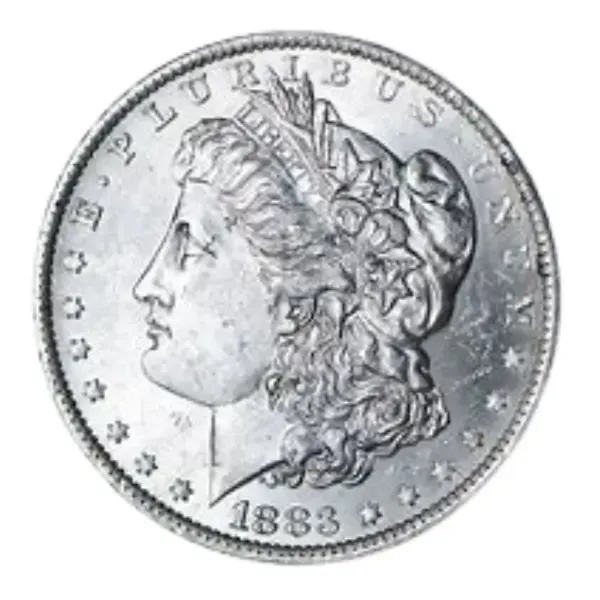
Old silver coins often attract attention because they combine precious metal value with a piece of American history. Among these coins, the Morgan silver dollar remains particularly recognizable. Its distinctive design, historical background, and silver composition make it popular among collectors and precious metal enthusiasts.
However, understanding Morgan dollars involves more than checking their appearance. Their weight, silver content, condition, and production history all influence how they are evaluated. Buyers who understand these characteristics can make better decisions when comparing coins or considering larger collections.
A Brief History of Morgan Silver Dollars
The Morgan silver dollar was first produced in 1878 and continued through 1904, before returning for one final year in 1921. The United States Mint later introduced modern Morgan commemorative issues, but the historical circulation coins remain a distinct collecting category. The original design was created by George T. Morgan, an engraver working at the United States Mint. The obverse features Lady Liberty, while the reverse displays an eagle surrounded by a wreath.
Morgan dollars circulated during a period when silver played an important role in American currency. Today, their value depends on several factors, including date, mintmark, rarity, condition, and silver market prices.
How Much Does a Morgan Silver Dollar Weigh?
A genuine historical Morgan silver dollar has a standard weight of approximately 26.73 grams when originally minted. Its composition consists of 90% silver and 10% copper, making it different from modern bullion coins produced with higher silver purity. People researching how many morgan silver dollars are in a pound should first understand which definition of a pound is being used. In everyday American measurements, one avoirdupois pound equals approximately 453.59 grams. Dividing this amount by the standard weight of a Morgan dollar gives roughly 16.97 coins.
That means 17 standard-weight Morgan dollars would weigh slightly more than one avoirdupois pound. Precious metals are also measured using troy units. A troy pound contains approximately 373.24 grams, which corresponds to about 13.96 Morgan dollars by total coin weight. Wear and damage can affect the actual weight of circulated coins, so these figures should be treated as approximate calculations.
Understanding the Actual Silver Content
Morgan silver dollars are not made entirely of silver. Because each coin contains 90% silver by weight, its original silver content is approximately 24.06 grams. This equals about 0.7734 troy ounces of pure silver. The remaining metal is copper, which helped make the coins more durable during regular circulation.
This distinction becomes important when calculating precious metal value. Someone evaluating a group of Morgan dollars should not multiply their combined total weight directly by the spot price of pure silver. Instead, the calculation must account for the silver portion of each coin. Even then, the silver value represents only one component of what a particular Morgan dollar might be worth.
Why Bulk Morgan Dollar Purchases Need Careful Evaluation
Some buyers prefer purchasing several Morgan dollars together rather than selecting individual coins. Larger groups can provide an interesting collection of dates, mintmarks, and conditions. When considering 1 lb morgan silver dollars, buyers should verify the actual coin count, stated total weight, and product description.
A listing described by weight may not contain the same number of coins as another listing, particularly when packaging, measurement conventions, or product contents differ.
Before purchasing a group of Morgan dollars, consider these details:
-
Authenticity: Check whether the coins are genuine historical issues.
-
Dates and mintmarks: Identify any potentially uncommon combinations.
-
Condition: Look for excessive wear, cleaning, scratches, or other damage.
-
Silver content: Calculate the approximate precious metal weight.
-
Pricing: Compare the asking price with silver value and collectible characteristics.
These checks can help buyers understand what they are receiving.
Silver Value Versus Collectible Value
Not every Morgan dollar sells for a price based primarily on its silver content. Common-date coins with considerable circulation wear may trade relatively close to their precious metal value, although dealer premiums and market demand still influence prices. Scarcer dates, desirable mintmarks, and well-preserved examples may attract substantially greater collector interest.
Professional grading can help establish a coin’s condition, but grading fees may not be worthwhile for every ordinary circulated coin. Cleaning old coins is generally discouraged because improper cleaning can damage their surfaces and reduce collector appeal.
Keeping Morgan Dollars in Good Condition
Proper storage helps protect coins against scratches, environmental damage, and unnecessary handling. Collectors commonly use suitable coin holders, capsules, or archival-quality storage materials. Keeping coins in a dry, stable environment can reduce exposure to conditions that affect their surfaces.
Coins should be handled carefully, preferably by their edges, to avoid transferring oils and contaminants from fingers. Maintaining purchase records can also help with organization and future resale discussions.
Conclusion
Morgan silver dollars offer a combination of historical interest, recognizable American coinage, and measurable silver content. Understanding their weight and composition helps buyers distinguish between total coin weight, actual silver value, and potential collector premiums.
Educational resources and product information from gibraltarira.com can help readers explore Morgan dollars and their characteristics. Whether purchasing individual coins or evaluating a larger group, careful attention to authenticity, condition, and pricing remains essential.